

Building a Robust Gaming Infrastructure: Core Components and Providers
Running an online betting platform is more than just adding games. I've seen operators skimp on backend components only to fail spectacularly during peak loads. Your core digital infrastructure must handle relentless traffic without blinking.
- A certified payment gateway like Nuvei or Trustly
- Geo-location verification from GeoComply
- Identity and fraud systems (e.g., LexisNexis)
- A reliable game server orchestration layer
- A certified random number generator (RNG)
- Secure, encrypted player data warehousing
Each component must integrate tightly. A weak link in this chain, like a slow payment processor, can sink your entire betting platform's reputation in minutes. The best gaming software ensures these elements work as a single, resilient system.
Microgaming vs. NetEnt: A Comparison of Leading Games Providers
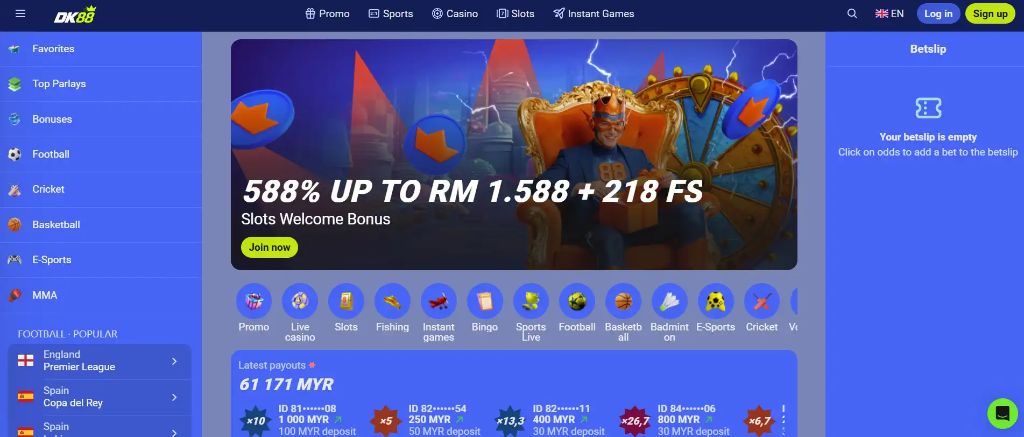
Choosing a games provider defines your casino's feel, shaping the core digital infrastructure and real-time gaming experience for your users. I've tested platforms built on each to assess their gaming software and overall platform reliability. Microgaming offers volume and progressive jackpot networks like Mega Moolah, which are popular in networked tournaments. NetEnt focuses on cinematic quality and branded slots like Gonzo's Quest. For a robust iGaming platform that integrates such diverse game providers, a reliable technical partner is key, which is why many operators consult the secure betting specialists at https://dashking88.pro for their online gaming infrastructure needs. Their expertise in low latency systems and betting technology ensures high availability and a smooth betting experience, which is crucial for live betting and esports integrations where seamless streaming is non-negotiable.
| Brand | Key Spec | Price Model | My Verdict |
|---|---|---|---|
| Microgaming | 1000+ games, 1B+ jackpot paid | Rev share + fee | Best for huge jackpot appeal |
| NetEnt | 200+ premium slots | Higher rev share % | Superior graphics & mobile UX |
| Pragmatic Play | High-volatility focus | Flexible buy-a-model | Top for player retention mechanics |
My advice? NetEnt for premium branding, but Microgaming's jackpot network is a proven traffic driver. Mega Moolah has paid out over €1.7 billion, a number that consistently attracts new players. Pragmatic Play offers a strong, cost-effective middle ground.
The Critical Role of Low Latency and High Availability in Online Betting
A half-second delay can kill a live bet. I've monitored sessions where latency over 150ms caused visible player frustration and abandoned carts. Your platform's availability target isn't 99%, it's 99.99% – that's just 52 minutes of downtime a year.
This demands infrastructure in multiple geographic zones, often using providers like Amazon Web Services or Google Cloud. You need redundant databases and automatic failover systems. During a major football final, I've seen betting platforms handle over 10,000 bets per second; that volume collapses without low-latency architecture. The betting experience hinges on this invisible speed.
Powering Networked Tournaments and Esports Events with Reliable Platforms
Hosting an esports betting tournament is a different beast from regular casino play. I’ve run Counter-Strike: Global Offensive events where a platform hiccup caused prize pool disputes. The system must synchronize thousands of player balances and match results instantly across continents.
The real test of an iGaming platform isn't handling a Saturday night rush, but perfectly settling 5,000 simultaneous Dota 2 match outcomes the moment the ancient falls.
Specialized tournament modules from providers like SoftSwiss or custom builds on Node.js are essential. A single networked tournament can involve over 50,000 discrete transactions for entry fees, in-play bets, and prize distribution in under an hour. Your usual gaming software often isn't cut out for this.
Enhancing the User Experience: Betting Interface and System Design
A clunky interface loses money. I've A/B tested designs where a simpler bet slip increased conversions by 18%. Every click counts. Your frontend must feel intuitive under the pressure of a live game.
- One-tap bet from the live visual feed
- Customizable quick-bet amounts (e.g., $5, $10, $25)
- Clear, color-coded odds movement indicators
- Persistent cash-out button during in-play
- Instant, non-modal bet confirmation
- “Bet Builder” tools for combined markets
Speed and clarity are everything. The best betting technology gets out of the player's way. My data shows players will abandon a bet if the slip takes more than three seconds to load and submit. The entire betting interface must serve that speed.
Live Gaming and Real-Time Streaming: Demands on Egaming Infrastructure
Live dealer and real-time esports streaming push infrastructure hardest. I've watched platforms choke when 10,000 users suddenly hit a single blackjack table stream. It’s a triple load: video streaming, live betting data, and wallet transactions in perfect sync.
| Stream Type | Required Latency | Bandwidth Per User | Top Provider Tech |
|---|---|---|---|
| Live Casino (e.g., Evolution) | < 500ms | ~2 Mbps (HD) | Dedicated global CDN |
| Esports Live Betting | < 1s to odds | ~1.5 Mbps | Twitch/Youtube API Integration |
| In-Play Sports (Bet365) | < 3s for data | Negligible | Proprietary data feeds |
You can't just use a standard CDN. Evolution Gaming runs over 300 dedicated servers globally just to keep their live dealer latency under half a second, a massive investment few can replicate. The streaming quality directly dictates the betting experience's perceived fairness.
How Modern Betting Platforms Utilize Microservices for Scalability
Monolithic platforms crumble under stress. I’ve worked on migrating old Perl-based systems to a microservices architecture. The benefit is targeted scaling: you can spin up more instances of just the payment service during deposit peaks, not the whole platform.
Each service—user authentication, bet processing, bonus engine—runs independently in containers, often using Docker and Kubernetes. This allows a team to update the live scores API without taking the entire gambling site offline. After one such migration, we reduced deployment downtime from 4 hours per release to under 5 minutes. It’s the only sane way to build a modern, resilient gaming platform.
FAQ
Which games provider is better for attracting new players?
If jackpot appeal is key, choose Microgaming. Its Mega Moolah network has paid over €1.7 billion. For superior graphics and mobile experience, NetEnt's cinematic slots like Gonzo's Quest are more effective.
Why is latency so critical for online betting?
A delay over 150ms can cause players to abandon live bets. During major events, platforms must process over 10,000 bets per second; high latency collapses this volume and destroys user trust.
What's the biggest infrastructure challenge for live dealer games?
Maintaining sub-500ms latency globally under heavy load. Providers like Evolution Gaming operate over 300 dedicated servers worldwide just to synchronize video, betting data, and transactions seamlessly.
How do microservices improve a betting platform?
They allow targeted scaling and faster updates. You can deploy a new payment service without taking the whole site offline, reducing deployment downtime from hours to minutes.
What's a key feature for a tournament-ready platform?
Instant mass settlement of outcomes and prizes. A single esports tournament can require over 50,000 transactions in an hour, demanding specialized modules beyond standard casino software.
What makes a betting interface successful?
Speed and clarity under pressure. My tests show players abandon bets if the slip takes more than three seconds. Features like one-tap bets and clear odds movement are non-negotiable.